
Human Factors & Crew Systems
Study how people interact with equipment and procedures, and help teams design usable systems.
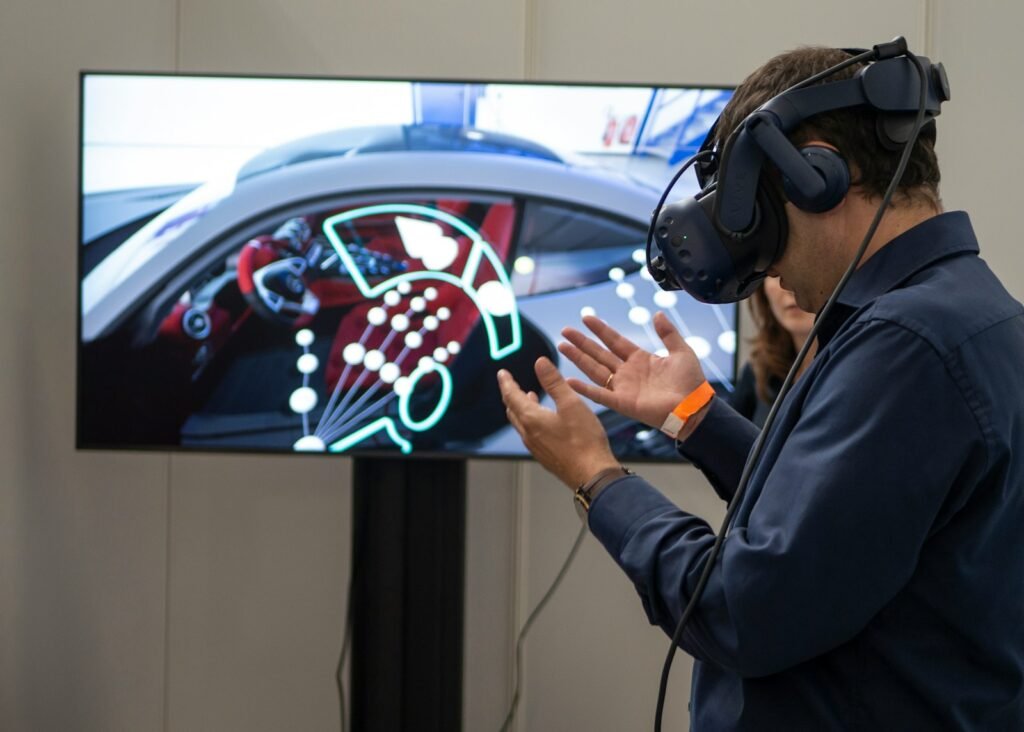
Work behind the title.
Task analysis
- Study crew tasks, workload and operating context.
- Identify likely errors, constraints and information needs.
- Translate findings into design requirements.
Interface evaluation
- Assess displays, controls and procedures.
- Plan representative usability scenarios.
- Measure performance and collect structured feedback.
Crew systems
- Support cockpit, habitat and mission-interface design.
- Balance human capability with automation.
- Document evidence for design reviews.
Concrete work products.
Human-factors evidence helps teams design systems people can understand and operate under real mission constraints.
A realistic workflow, not a universal schedule.
Define the user, task, environment and decision.
Build a representative scenario and measurement plan.
Observe users in simulation or testing.
Turn findings into prioritized design guidance.
Research rigor and representative conditions matter; a classroom usability test is not a flight-qualification result.
CAREER DIRECTIONSWhere this career can lead
Human Factors Engineer
Integrates human performance into system design.
Crew Systems Engineer
Develops crew interfaces, equipment and requirements.
Usability Researcher
Plans and interprets user evaluations.
Habitability Specialist
Studies living and working conditions in confined environments.
CAPABILITIESSkills you need
Human performance
Research
Engineering
Professional
Tools you may encounter.
Actual toolchains vary by mission and employer; this is an exploration list, not a universal requirement.
Preparation and credible entry routes.
Human factors, ergonomics, engineering and psychology offer relevant routes. Research roles may require advanced study.
Design teams, simulation facilities and research laboratories supporting operators and crews.
Evaluate a simulated mission interface with a documented task scenario. Record usability observations without claiming flight qualification.
Routes into the work
Human-factors route
Human factors, ergonomics or psychology → research methods → laboratory project → aerospace role.
Engineering route
Systems, industrial or aerospace engineering → human-systems coursework → interface evaluation → crew-systems role.
Research route
Behavioral or biomedical study → human-in-the-loop research → mission-specific specialization.
Example roles along the way.
- Human Factors Intern
- Research Assistant
- Human Factors Engineer I
- Usability Researcher
- Senior Human Factors Engineer
- Crew Systems Lead
- Principal Human Systems Engineer
- Human Factors Manager
- Technical Fellow
Titles vary by organization. This is an example progression, not a guaranteed promotion ladder.
Industrial Engineers
National U.S. comparison data—not a salary claim for this space specialty.
This benchmark represents a broader occupation. Actual pay varies by employer, location, experience, education, clearance requirements and mission.
Build this: Mission Interface Evaluation
Evaluate a simulated mission interface using a documented task scenario.
- Define the user and mission task.
- Identify success and error measures.
- Create a representative scenario.
- Run a small ethical usability session.
- Record observations and limitations.
- Write prioritized design recommendations.
A curated resource shelf.
Follow the work, then the organization.
Current matching openings.
Matches use the profile’s role terms against OffWorldly’s selected commercial employer feeds. Verify requirements and closing status on the employer site.
No matching commercial listings are cached right now. Use the full search to broaden the terms.
See all matching jobs →If this interests you, keep exploring.
TRANSPARENCYSource & methodology
Profile informed by O*NET Human Factors Engineers and Ergonomists (17-2112.01) and NASA human-systems practices. Reviewed September 14, 2026.
Career families, specialty descriptions, example titles and projects are OffWorldly editorial classifications. They are designed for exploration and should be checked against each employer’s actual requirements.
Image: Unsplash · XR Expo / Unsplash