Engineering
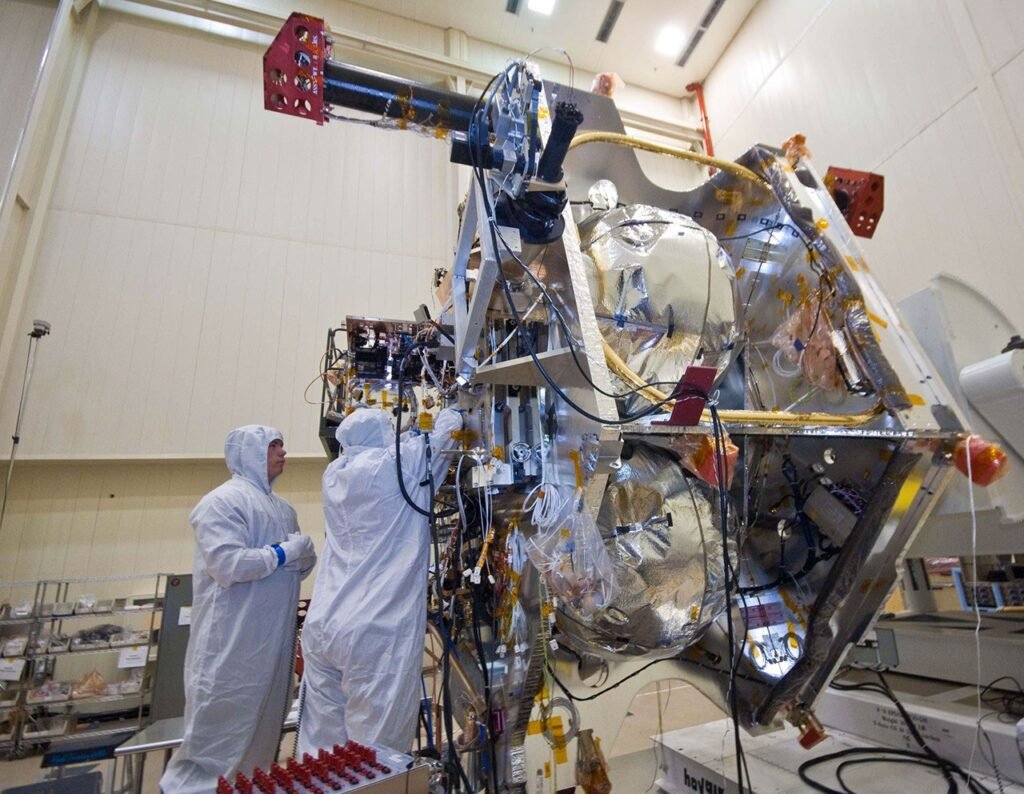
Design, analyze and test spacecraft and aerospace systems.
Open career family →
Find your role. Build the skills. Find who’s hiring.
Explore engineering, mission operations, science, aviation, business and skilled technical careers. Start wherever you are today.
Start with where you are. Discover several directions, a route forward and a practical next step.
10 questions · Select more than one where indicated · No account needed
Your interests, skills and preferred preparation bring related careers forward. These are explainable editorial suggestions, not an aptitude test, hiring score or the O*NET Interest Profiler. Answers remain in this page until you leave; your account is never overwritten.
Keep your skills, projects and experience in Talent Passport. Choose what you want to add.
Members can compare their recorded skills with these career profiles. Nothing is written to your account.
Explore all nine families, or answer the questions above to bring relevant paths forward.
Design, analyze and test spacecraft and aerospace systems.
Open career family →Plan missions, monitor spacecraft and respond to anomalies.
Open career family →Build mission software, automation and secure ground systems.
Open career family →Turn observations and experiments into useful evidence.
Open career family →Build, assemble, inspect and repair the hardware missions depend on.
Open career family →Keep aircraft, avionics and flight operations working safely.
Open career family →Connect technical work with customers, schedules and resources.
Open career family →Work on the decisions and rules that shape space activity.
Open career family →Support people working in demanding space environments.
Open career family →Daily work, preparation, tools and a project you can start.
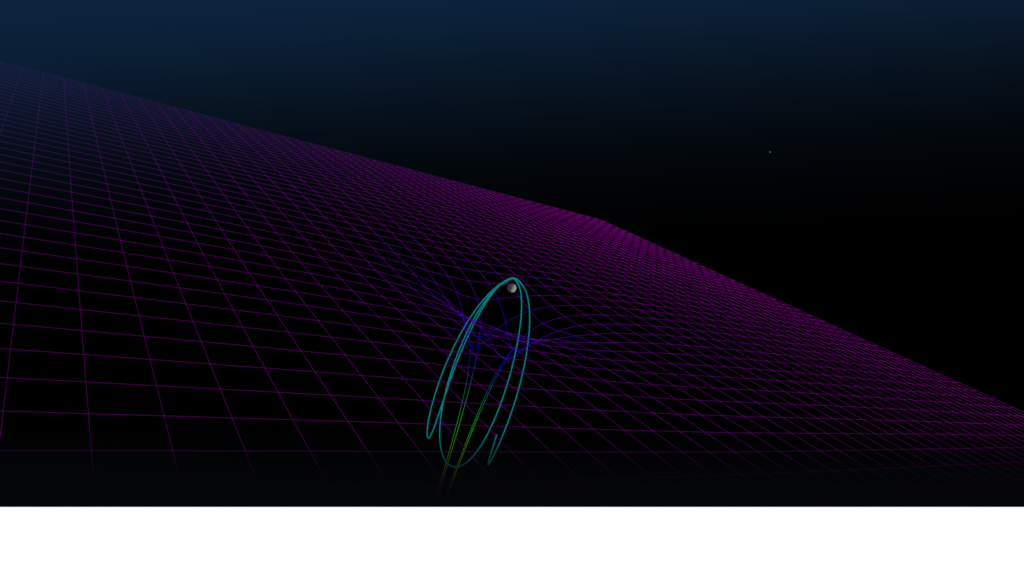
Model trajectories, plan maneuvers and assess how uncertainty affects an orbit.
View full career profile →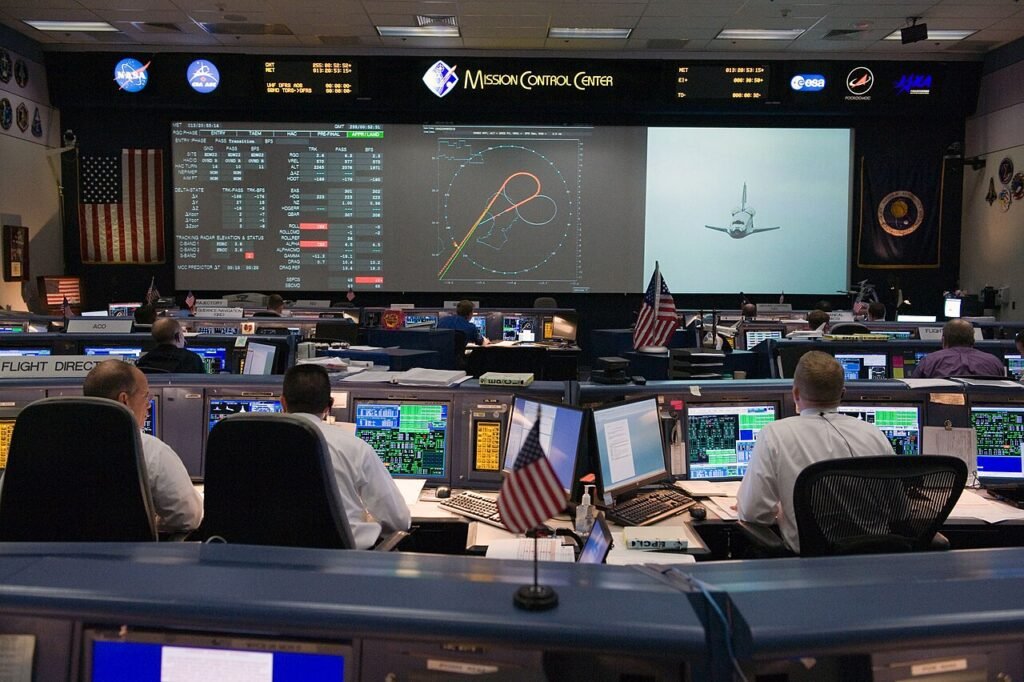
Prepare procedures, monitor telemetry and coordinate spacecraft activities with a team.
View full career profile →
Develop, test and maintain software used aboard spacecraft or in ground systems.
View full career profile →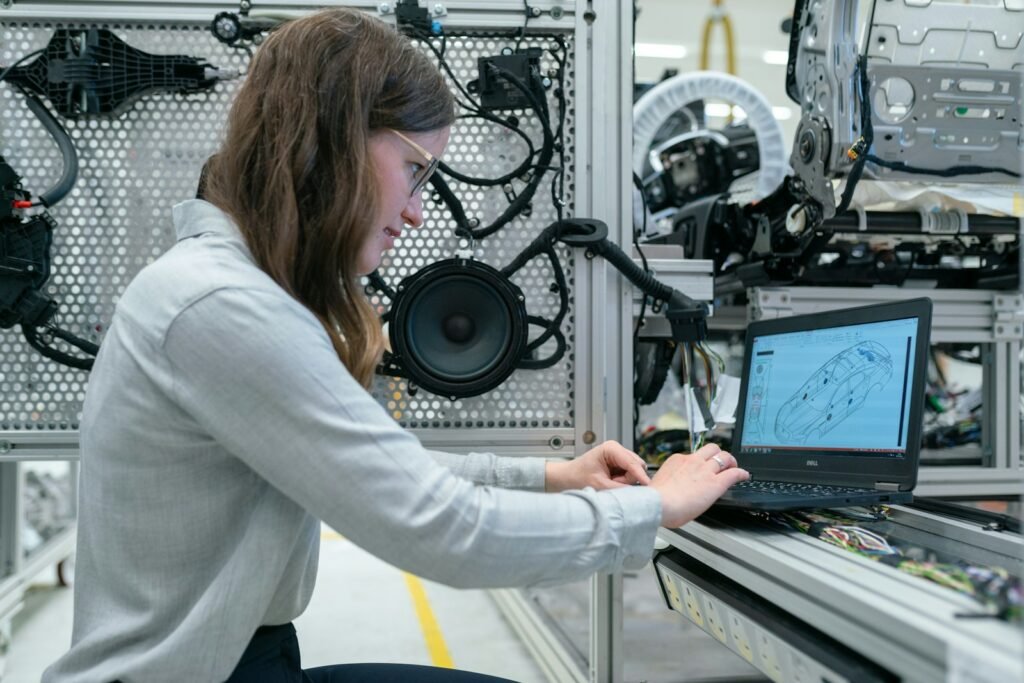
Prepare equipment, conduct tests and record results that help engineers assess aerospace hardware.
View full career profile →Install, troubleshoot and repair aircraft electronics and keep accurate maintenance records.
View full career profile →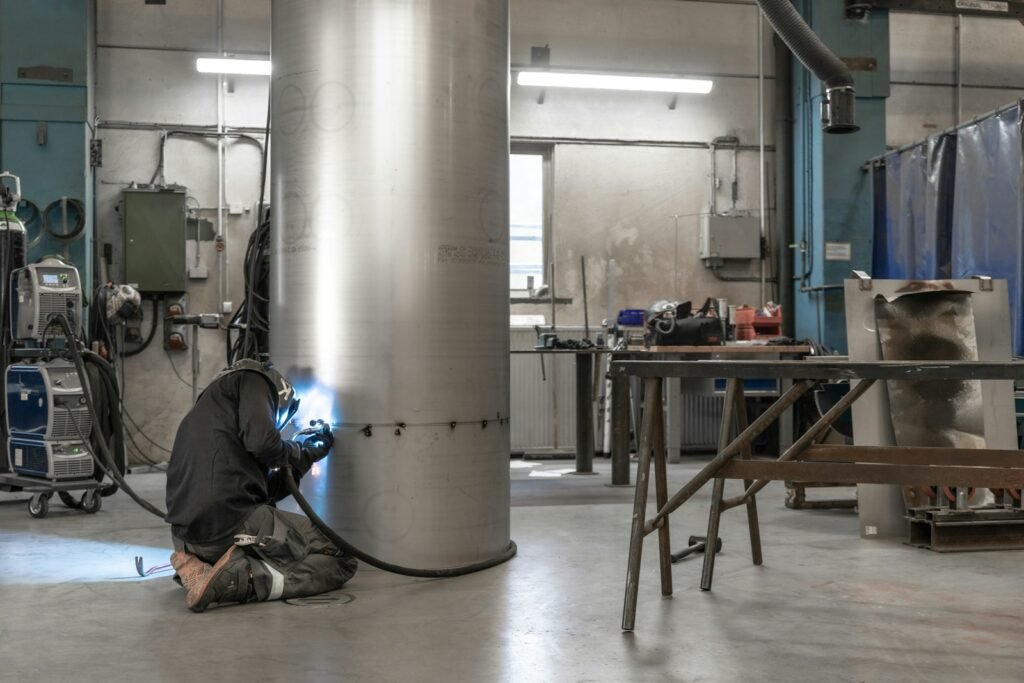
Join and inspect metal components using qualified processes and production instructions.
View full career profile →
Analyze imagery and geospatial data to investigate changes on Earth.
View full career profile →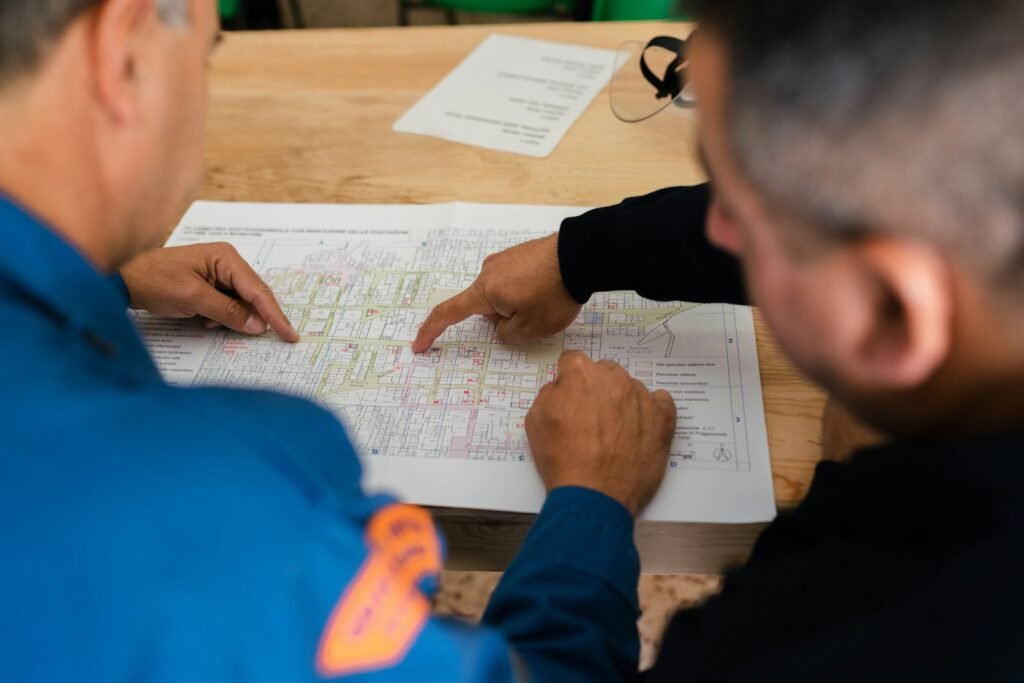
Coordinate scope, schedules, risks and communication across mission teams.
View full career profile →
Research policy questions and explain how proposed decisions could affect space activity.
View full career profile →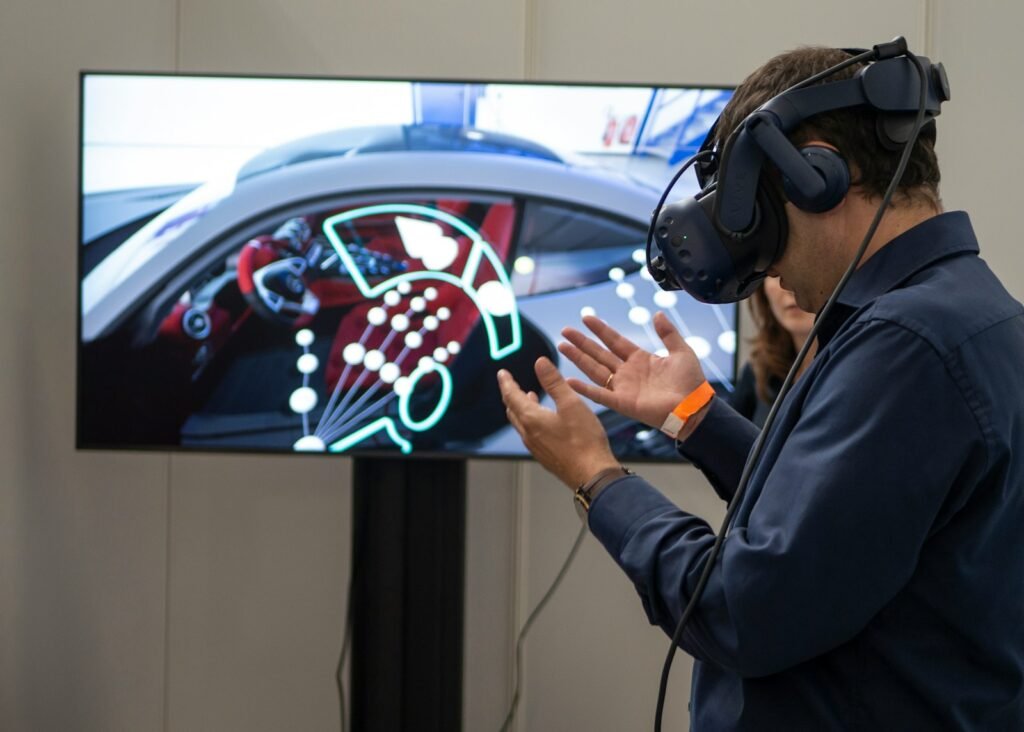
Study how people interact with equipment and procedures, and help teams design usable systems.
View full career profile →U.S. median pay, May 2025. Projected employment growth: 12% from 2025–2035.
Technicians help operate and maintain equipment used to develop, test and produce aerospace vehicles. An associate degree is a common entry route; requirements vary.
Source: U.S. Bureau of Labor Statistics, Occupational Outlook Handbook. May 2025 wages; 2025–2035 projections. Checked September 12, 2026.
U.S. median pay, May 2025. Projected employment growth: 8% from 2025–2035.
Engineers develop and test aircraft, spacecraft and related systems. A relevant bachelor’s degree is the typical entry route. Work commonly combines computer analysis, design reviews and testing.
Source: U.S. Bureau of Labor Statistics, Occupational Outlook Handbook. May 2025 wages; 2025–2035 projections. Checked September 12, 2026.
38 of 40 employer feeds available in the current cache. This is a selected company sample, not the whole space economy.
Search these openings ↓Snapshot assembled October 26, 2026 from feeds refreshed weekly. Listings may have closed since collection. Counts represent postings, not hires or unique vacancies; no growth trend is inferred.
K2 Space 253
Impulse Space 217
True Anomaly 206
Vast 190
Muon Space 143
Los Angeles, CA 360
United States 217
Long Beach, CA 204
Denver, CO 170
El Segundo, CA 154
188 postings flagged by the existing title-based early-career filter. Check experience requirements in each listing.
Skill, salary and growth trends need fuller job descriptions and comparable historical coverage.
Explore two starting routes, or answer the explorer for routes that suit your preparation.
Explore subjects → try a small project → meet a team → compare training routes
Try coding, making, science or a school club before committing to a specialty.
Take the next step →Relevant degree → project or lab → internship → professional role
Choose a program that fits the work, then build evidence through a team or research project.
Take the next step →Research interest → laboratory → advanced study → specialist work
Compare research groups and supervisors, and examine whether your target role actually needs graduate study.
Take the next step →Technical training → supervised practice → qualification → technician role
Compare hands-on training with the equipment and process qualifications named by employers.
Take the next step →Employer pathway → paid practice → demonstrated competence → skilled role
Look for supervised workplace learning and ask which credentials or process qualifications the program provides.
Take the next step →Military experience → civilian skills → credential gaps → aerospace role
Translate your experience into civilian work examples. Civilian licenses and employer qualifications still need checking.
Take the next step →Existing strengths → space-domain knowledge → targeted project → related role
Build on what you already know. Identify a few relevant gaps before committing to another degree.
Take the next step →Current experience → next responsibility → targeted learning → demonstrated impact
Choose specialist or leadership skills for the work you want next, and document a practical outcome.
Take the next step →Search current postings from selected employers and USAJOBS.
Commercial Space Jobs
Live openings from independent space startups across the USA, Canada, Europe, and MENA. Applications open on the employer’s original site.
Listings are collected from official employer career systems and refreshed weekly. Openings may change sooner. Always verify eligibility, deadlines, compensation, location, and availability on the employer’s official application page.
Find federal jobs, internships, and early-career opportunities in space, aerospace, aviation, engineering, science, technology, cybersecurity, and other STEM-related fields.
Government job listings are powered by USAJOBS and may change without notice. OffWorldly does not control federal hiring decisions, eligibility requirements, salary details, closing dates, or application outcomes. Review the full announcement on USAJOBS before applying.
A selection to start exploring. Browse the full directory for search and filters.
Explore commercial-space companies, aerospace primes, government contractors, and specialized space-sector suppliers.
Career descriptions combine reviewed O*NET occupational references with OffWorldly aerospace examples. Salary and outlook benchmarks identify the broader U.S. occupation and reference period; they are not promises for a specialty or location. Openings come from selected employer feeds and USAJOBS, and may change or close.
Occupation information is a reviewed snapshot, not a live scrape. Source notes on each profile identify its references and review date. Suggestions use your selected interests and preparation, not psychological or hiring predictions.
Technical training, university, military and career-switching routes all have a place. Check the actual credentials and experience required by each employer.